


Photography & Videography
The City of Coquitlam’s Photography and Videography Guidelines outline both the technical requirements and the visual style needed to ensure all media aligns with Coquitlam’s brand standards.
Photo Rights
- The City of Coquitlam retains full rights to all photos taken during an assignment or any photos for which the photographer has been paid.
- Photographer credits will not be included on published photos.
- All rights belong to the City of Coquitlam. Use of these images is strictly limited to the City unless prior written permission is obtained from the Visual Communications Supervisor or the Manager of Communications and Civic Engagement.
Release Form Requirements
- The photographer/videographer is responsible for ensuring all release forms are fully completed and submitted (both original copy and digital version). Incomplete forms (e.g., missing information, vague descriptions, or unclear subject identification) will render materials unusable and may impact preferred vendor status.
- A signed City of Coquitlam release form is required for every identifiable person in a photo or video, including City staff. A single person cannot provide consent for a group—each identifiable individual must sign their own form.
- Exception: Release forms are not required for City Council members or other
government representatives at public events. - Restricted or Invitation-Only Events: Release forms are required for City Council,
other government representatives, and performers when the event is private, has
restricted capacity, or is by invitation only.
- Exception: Release forms are not required for City Council members or other
- For individuals under 18 years of age, a parent or legal guardian must sign the release
form. - The appropriate release form for your project will be provided along with the shot list.
The City of Coquitlam uses the following types of release forms:
Submitting Materials
- All photos and videos must be labelled using the naming convention provided in the
shot list. The file name format follows this structure:
Year_Event/Subject_Location_Season_Month
E.g. 2021_Canada Day_Town Centre Park_Summer_July - Before submitting materials, the photographer/videographer must:
- Verify that each photo/video has a corresponding, fully completed release form.
- Ensure that all release forms include clear descriptions that accurately identify the
subjects. - Label all photos/videos according to the required file naming convention.
- Materials must be submitted within seven business days of the event to the contact
listed on the shot list
Any missing shots from the provided shot list, photos/videos without required release forms, incomplete forms, or forms with missing information or vague descriptions, or improperly labelled files will require correction at the photographer/videographer’s expense. Repeated issues may result in the loss of preferred vendor status.
File Specifications
Photography
- File Format: JPEG (highest quality setting, Adobe RGB or sRGB colour space)
- Resolution: Minimum 300 dpi
- Size: At least 5000 pixels on the longest side (ensuring flexibility for large-format printing)
- RAW Files: Provide original RAW files (e.g., CR2, NEF, ARW, DNG) when requested for further editing flexibility
Videography
Fully Edited Videos:
- Format: MP4 (H.264 or H.265 codec)
- Resolution: Minimum 1080p (1920x1080), but 4K (3840x2160) preferred for flexibility
- Frame Rate: 24, 30, or 60 fps (depending on project needs)
- Bitrate: 15-50 Mbps for 1080p, 50-100 Mbps for 4K
B-Roll Footage:
- Format: MP4 or MOV (H.264 or ProRes preferred for high-quality editing)
- Resolution: 4K preferred, but minimum 1080p
- Frame Rate: 30 or 60 fps (higher frame rates allow for slow-motion flexibility)
- No baked-in effects or transitions (clean footage with natural audio where applicable)
Retention Policy
- Photographers and videographers must retain all original photos, videos, and relatedproject files for a minimum of 18 months after submission. This includes RAW imagefiles, unedited video footage, and any associated release forms. During this retention period, these files may not be used for any personal or commercial purposes, as all rights are held by the City of Coquitlam.•
- After the 18-month retention period, vendors are required to permanently delete all project files unless otherwise instructed by the City. Failure to comply with this policy may impact preferred vendor status
Media Quality: Look and Feel
We value the creativity and technical skills of our photographers and videographers in capturing engaging, high-quality visuals. To ensure consistency with the City of Coquitlam’s brand, please follow these creative priorities:
General Notes
- Incorporate people whenever possible. The City provides services and amenities for the community, and our visuals should reflect that.
- Avoid elements that could date the content (e.g., holiday decorations) unless they are an intentional part of the project.
- Capture a variety of perspectives. Experiment with angles and compositions while maintaining a natural and professional look.
- Provide a mix of vertical and horizontal orientations for flexibility in cropping and framing.
Mood/Colour/Lighting
- Maintain a natural yet vibrant look. Avoid over-saturation, excessive contrast, or artificial colour grading.
- Use natural light whenever possible. Direct flash (for photography) and harsh artificial lighting (for video) should be avoided unless necessary.
- Consider the season and time of day. Early morning and dusk provide soft, dynamic lighting that enhances visuals.
Lens Choices and Depth-of-Field
Photography
- Use natural perspectives. Avoid extreme wide-angle or fisheye lenses that distort subjects unnaturally.
- Apply shallow depth-of-field when appropriate. This technique enhances visual interest by subtly blurring the background and foreground, making subjects stand out—especially effective for individual or small group shots.
- Use deeper depth-of-field when necessary. For large group shots or images that require more environmental detail, ensure all subjects remain in focus.
Videography
- Control depth of field with purpose. A shallow depth-of-field is ideal for interviews or
feature shots, while a deeper depth-of-field works better for event coverage and wide
establishing shots. - Maintain smooth, intentional camera movement. Avoid excessive zooming or abrupt
focus shifts, as they can be distracting. - Use stable shots whenever possible. Handheld footage should be stabilized to avoid
distracting camera shake.
Shot List Requirements
The City of Coquitlam requires a diverse range of photography and videography featuring people, events, amenities, facilities, and landscapes. The following considerations should be applied based on the specific event, project, or assignment:
People
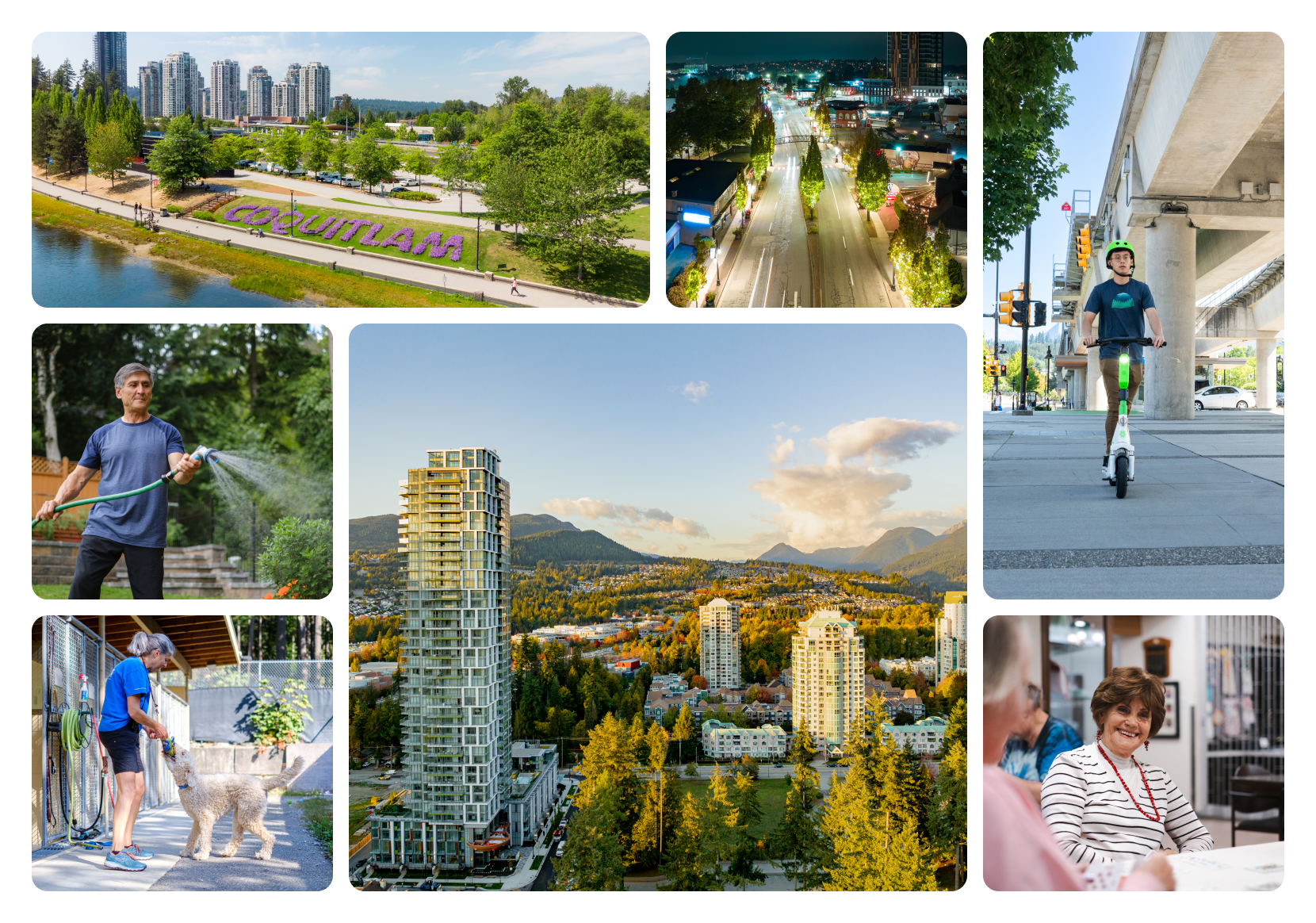
- Capture members of the public attending events, using City services and amenities, and participating in programs.
- Include City staff and volunteers in action to showcase their roles and contributions.
- Ensure a mix of candid and posed shots—subjects should appear natural, engaged, and dynamic.
- Showcase a range of diverse characteristics including race, gender, family structure, ability, body type, and age to reflect the community.
- Avoid unnatural-looking poses, stiff compositions, or static group photos that lack engagement.
- For videography, prioritize smooth, natural movements when capturing people in action.
- A signed release form is mandatory for all identifiable people (members of the public, City staff, vendors) and must be obtained before use.
Events and Activities
- Capture a variety of perspectives, including performers, attendees, sponsors, and City staff/volunteers in action.
- Include both close-up details and wide shots to provide context.
- For videography, incorporate steady, well-composed shots, avoiding excessive zooming or shaky movements.
- During events, capture images that document the event setup, venue layout, and signage used. While these may not be frequently used in marketing materials, they are essential for event planning, archival purposes, and future reference.
Scenic and Environmental Shots
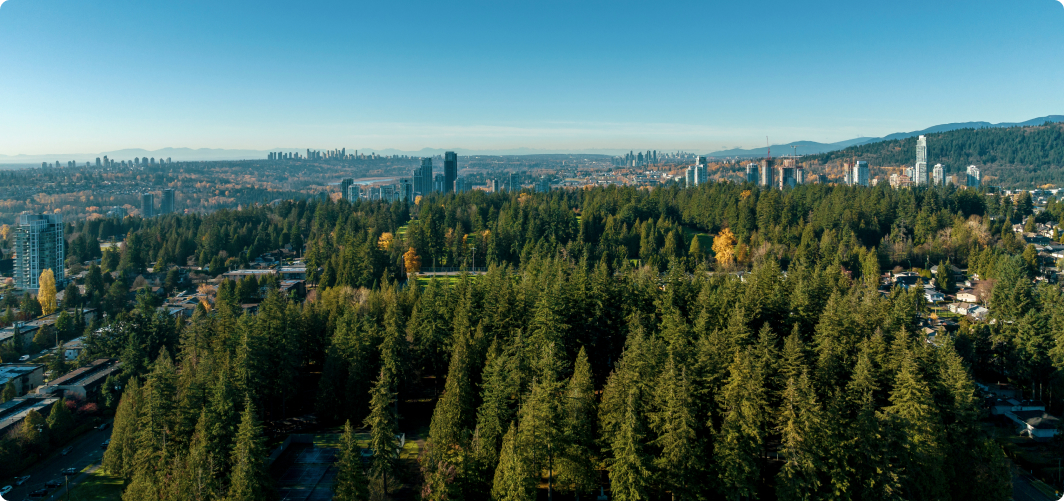
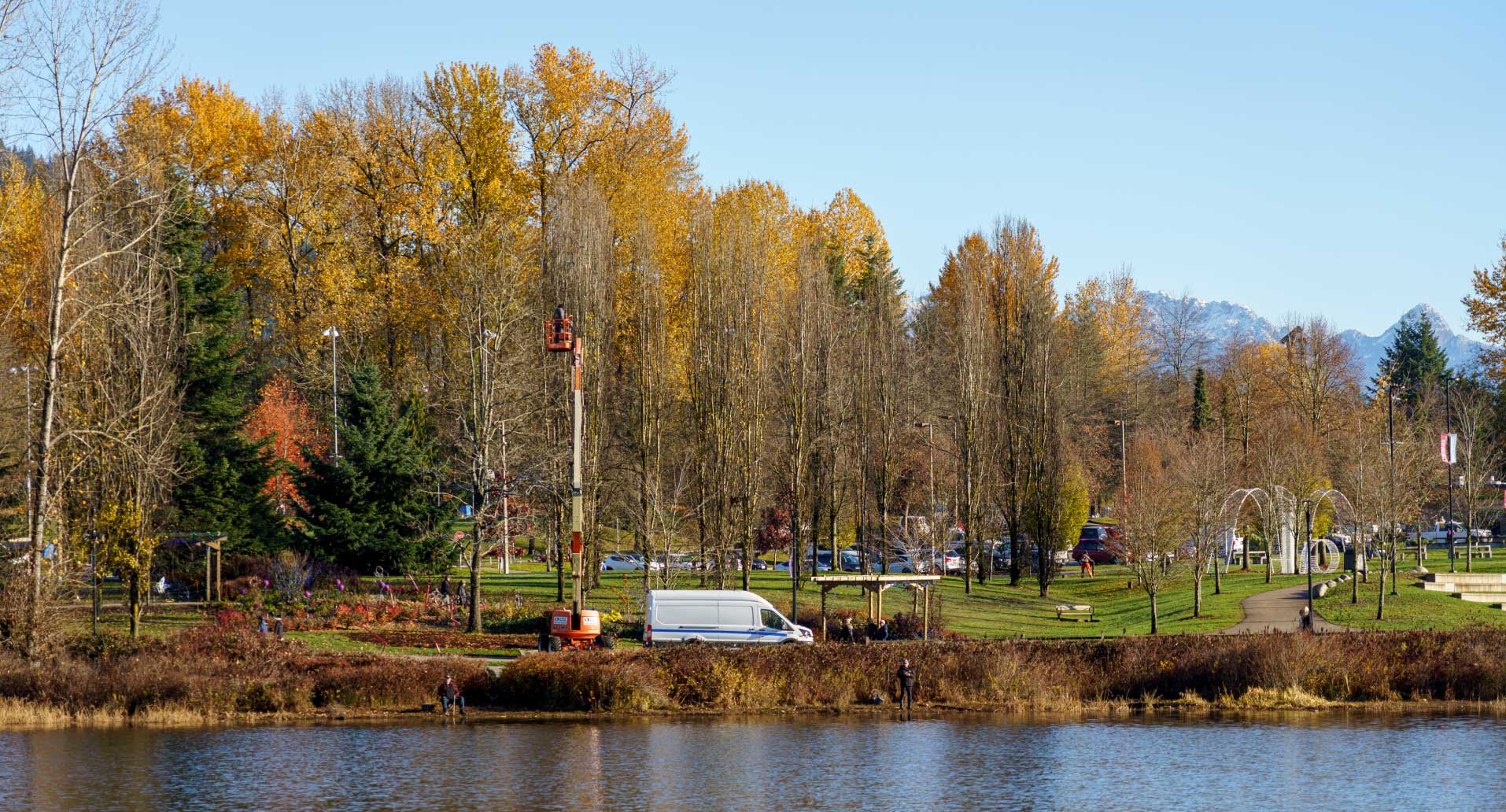
- Showcase natural landscapes, parks, trails, and urban spaces that highlight the City’s beauty.
- Include City buildings, facilities, and amenities within a scenic backdrop.
- Capture different times of day (e.g., dawn, dusk, golden hour) to provide a variety of lighting and moods.
- Provide a mix of shots with and without people to demonstrate scale and functionality.
- Capture differently-abled individuals using accessible City amenities whenever possible.
- For videography, consider slow, sweeping movements or time-lapse techniques to enhance scenic visuals.
Ceremonial and Official Events
- Document official openings, announcements, ribbon cuttings, sod-turning ceremonies, and plaque presentations.
- Ensure all members of the City Council are photographed or filmed together, including the Mayor.
- Capture key moments from multiple angles for flexibility in use.
General Guidelines for Shot Lists
- When capturing traffic lights, ensure they are shown on a green signal.
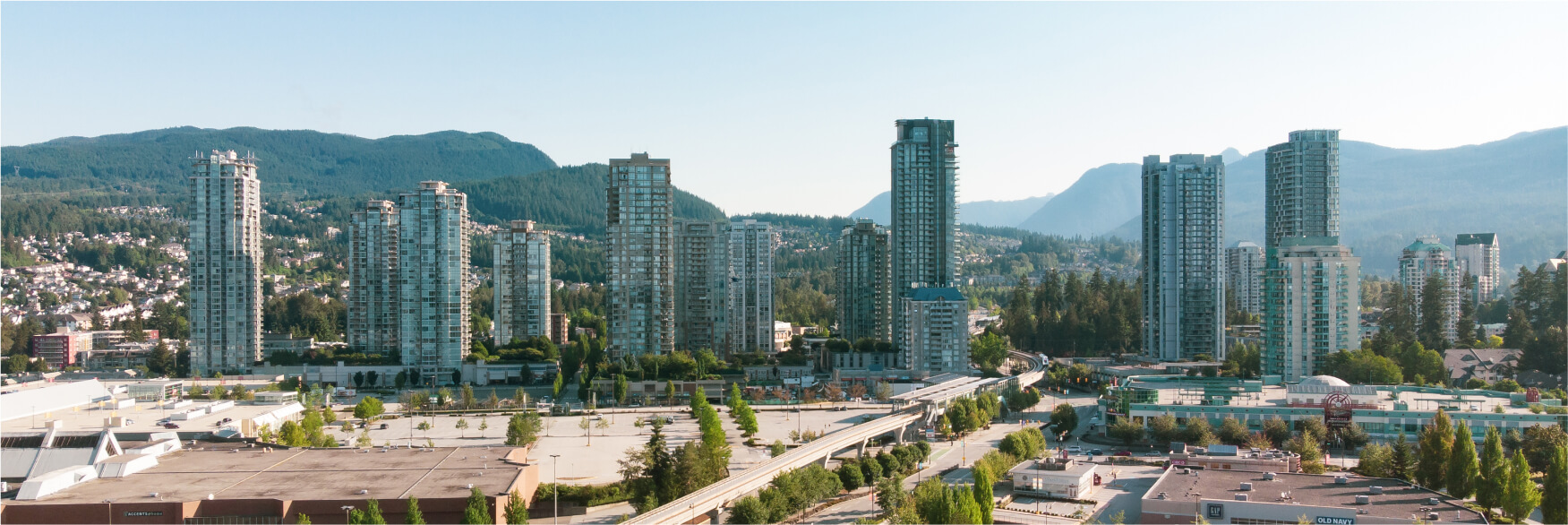
- Avoid compositions that make the City appear overly industrial, uninviting, or like a “concrete jungle.”
- When capturing vehicles or homes, ensure license plates and house numbers are obscured or removed during post-processing to protect privacy.
- When capturing vehicles or homes, ensure license plates and house numbers are obscured or removed during post-processing to protect privacy.
- Just as diversity in people is important, diversity in housing should also be considered. Wherever possible, aim to include varied housing types (e.g., apartments, townhouses, duplexes, and detached homes) within a single shot.
Related downloads
Relevant downloads for this section of this brand guideline.
